
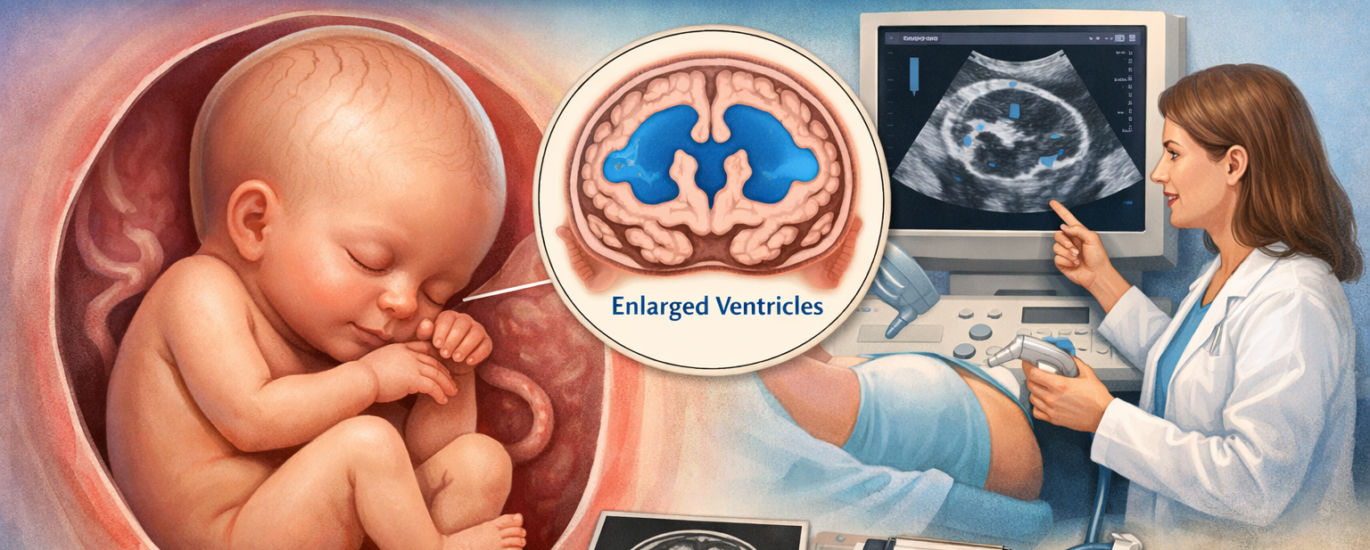
Fetal brain ventriculomegaly is a condition where the ventricles of a fetus’s brain are larger than usual and is often detected during an mid trimester ultrasound. For fetal brain ventriculomegaly in Pune, consult well-known fetal medicine expert, Dr. Tejas Tamhane, at Precious Clinic for Advanced Fetal Medicine
Fetal Brain Ventriculomegaly: An Overview
Brain ventriculomegaly, often diagnosed using ultrasound imaging, is a condition where the brain ventricles are abnormally enlarged. Like a protective helmet, the brain produces and circulates a protective fluid known as cerebrospinal fluid in spaces within the brain called ventricles. Some developing fetuses are diagnosed with ventriculomegaly due to changes to the lateral ventricles. It is detected during a mid-trimester ultrasound anomaly screening.
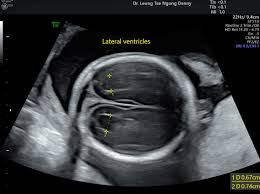
During the examination, the fetal medicine practitioner is required to measure the lateral ventricles size. Ventriculomegaly is diagnosed if the measurement of the lateral ventricles is above 10mm. Depending on the fetus’s condition, the diagnosis can be classified as:
- Mild Ventriculomegaly: Diagnosed between the range of 10-12mm
- Moderate Ventriculomegaly: Diagnosed between the range of 12.1-15mm
- Severe Ventriculomegaly (or hydrocephalus): Diagnosed as above 15mm

What Causes Ventriculomegaly?
Ventriculomegaly is isolated in many cases, indicating the absence of additional anatomical abnormalities. This may not significantly affect brain development and can occur as a normal variation.
However, ventriculomegaly can also result from other underlying causes, such as:
- Blockage in the flow of cerebrospinal fluid, leading to fluid accumulation
- Chromosomal abnormalities, such as Down syndrome or other genetic conditions
- Brain malformations, including agenesis of the corpus callosum or neural tube defects
- Infections during pregnancy, like cytomegalovirus (CMV) or toxoplasmosis
- Bleeding within the brain, especially in early gestation
- Identifying the cause is important in determining the prognosis and deciding further management.
How Is It Diagnosed?
The first sign of ventriculomegaly usually appears during the routine mid-trimester ultrasound scan. If ventriculomegaly is suspected, your fetal medicine expert may recommend further testing, which may include:
01. Detailed fetal neurosonography – A specialised ultrasound to assess the fetal brain’s structure and any anomalies.
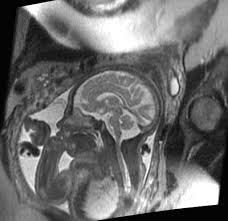
02. Fetal MRI – A non-invasive imaging technique that provides a more detailed view of the fetal brain, often used in complex cases when the diagnosis is not clear on ultrasound.
03. Maternal blood tests & infection screening – To check for infections that can impact fetal brain development.
04. Amniocentesis – The test analyses fluid for genetic or chromosomal abnormalities and infections like CMV.
What Are Some Possible Outcomes?
The prognosis of fetal ventriculomegaly depends largely on three factors:
- Severity of the enlargement – Mild isolated ventriculomegaly resolves on its own or remains stable, with many babies developing normally.
- Presence of other abnormalities – If other structural or chromosomal abnormalities are found, there can be a higher risk of developmental delays or neurological issues.
- Progression over time – Follow-up scans can help assess whether the ventricles remain stable, increase in size or resolve.
- In mild isolated cases, most babies are born healthy and have normal developmental outcomes. However, in more severe or complex cases, the risk of complications like motor or cognitive delays, seizures or hydrocephalus may be higher.
(Also Read: Fetal Megacystis Diagnosis In Pune – Dr Tejas Tamhane)
What Should Parents Do Next?
If your baby has been diagnosed with ventriculomegaly, it’s important to work closely with a fetal medicine specialist, who can guide you through the important investigations and help interpret the findings. Counselling with a genetic specialist may also be offered.
Supportive care involves continuous monitoring, detailed imaging and discussions about all possible outcomes. In rare cases where the condition is severe and associated with other serious anomalies, parents may need to consider more complex decisions about the pregnancy.
Fetal Brain Ventriculomegaly In Pune At Precious Clinic
While the term ventriculomegaly can cause anxiety, it’s important to remember that in many cases, especially mild and isolated ones, it has favourable outcomes. Advancements in prenatal imaging and diagnostics have made it possible to closely monitor the condition and prepare for any intervention after birth if needed.
If you’re looking for answers about fetal brain ventriculomegaly in Pune, then you’re at the right place. You can meet Dr Tejas Tamhane, a renowned fetal medicine specialist in Pune, practising at Precious Clinic for Advanced Fetal Medicine.
