
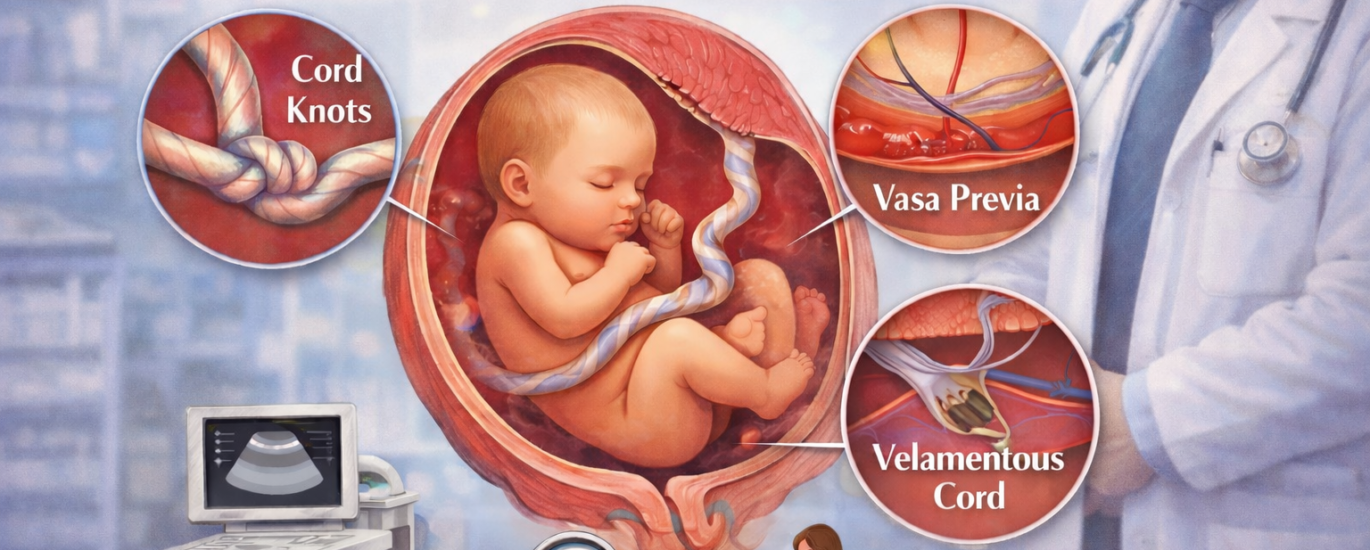
While the majority of umbilical cord abnormalities are benign and go away on their own, some anomalies can cause prenatal morbidity and, in extreme circumstances, even death. For the best advice and care, contact Pune’s esteemed Fetal Medicine Expert, Dr. Tejas Tamhane, if you or a loved one has just received a diagnosis of umbilical cord abnormality.
Umbilical Cord Abnormality: An Overview
An abnormality in the umbilical cord refers to any difference in its structure, placement or function that might affect the baby’s development process. While some of these issues are relatively common in pregnancy, others may need closer monitoring or, in rare cases, intervention.
Abnormalities of the umbilical cord are more frequent than most people realise and are typically found during routine ultrasound scans. The good news is that most cord problems can be identified and treated before they seriously endanger the mother or the unborn child, thanks to recent developments in prenatal imaging and monitoring.
Why Do Abnormalities Occur in the Umbilical Cord?
The baby’s lifeline is the umbilical cord. It is in charge of removing waste and transporting nutrients and oxygen from the placenta. The majority of cords develop normally, but occasionally, there may be variations due to structure or insertion. These anomalies may result from placental attachment problems, developmental variances or even excessive movement within the womb.

Early detection and monitoring can help, even though many of these cannot be prevented.
Umbilical Cord Abnormalities Types
Fear of the unknown can be lessened by being aware of the various kinds of abnormalities of the umbilical cord. The following conditions are frequently observed:
1. Single Umbilical Artery (SUA)
One vein and two arteries make up a normal cord. One artery may be present in some pregnancies. “Is a single umbilical artery dangerous?” you might ask. SUA is the most common umbilical cord abnormality noted in routine practice. It is often isolated and has no effect on the development of the infant. On occasion, though, it might be connected to other abnormalities, like IUGR, GIT, and GUT abnormalities, which is why careful scanning and follow-ups are required.
(ALSO READ: What A Single Umbilical Artery (SUA) Finding Means In Pregnancy – Precious Fetal Medicine)
2. Insertion of Velamentous Cord
Instead of going straight into the placenta, the cord in this case inserts into the fetal membranes. Vessels become more susceptible as a result, particularly during labour. Delivery can be safely scheduled with early detection.
3. Vasa Previa
It’s a rare but serious condition where fetal blood vessels cross near the cervix. If undetected, these can rupture during labour. But if diagnosed on time, delivery can be planned to avoid risks.
4. Cord Knots & Nuchal Cords
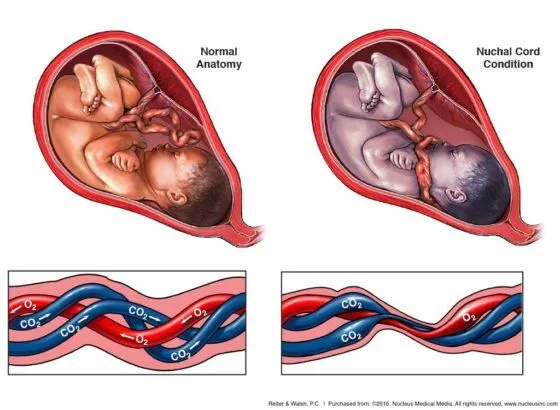
In the womb, babies move around a lot, which can occasionally cause cords to coil around the neck or cause actual knots. The majority of them are benign and are tracked by regular Doppler examinations and scans.
5. Short or Long Umbilical Cords
Very short cords can restrict movement or cause complications during delivery. Long cords, on the other hand, are more prone to tangling.
How Are Umbilical Cord Abnormalities Detected?

The majority of anomalies in the umbilical cord are found during routine ultrasound examinations, particularly the thorough anatomy scan performed between weeks 18 and 22.
Fetal medicine professionals can evaluate the anatomy, blood flow and insertion place of the cord in detail thanks to advanced imaging techniques, including colour Doppler and 3D/4D scans.
The key here is regular monitoring. If anything seems suspicious, your fetal medicine expert will schedule additional scans and track your baby’s growth.
Can Umbilical Cord Problems Harm My Baby?
Usually not. Many pregnancy-related umbilical cord problems are harmless, especially if caught early. If untreated, certain anomalies, such as vasa previa or severe cord compression, do pose a risk. This is why professional assessment and continuous observation are so important.
Many pregnancies with cord anomalies result in healthy, full-term deliveries when diagnosed early and treated by professionals.
When to seek expert help with Umbilical Cord Abnormality
If an umbilical cord issue has been detected or if your pregnancy has been classified as high-risk, don’t wait. Consult Dr Tejas Tamhane, a trusted fetal medicine specialist in Pune, known for his patient-friendly approach and advanced diagnostic expertise.
