

Each pregnancy has its own backstory. For many families, it’s a time of happy expectation, planning and excitement. However, unexpected scan results can occasionally cause perplexity rather than excitement. One such discovery might be the uncommon ailment known as Amniotic Band Syndrome in the fetus, which can worry parents. Fortunately, a lot can be done to safeguard your precious baby with early discovery and care.
Amniotic Band Syndrome In The Fetus: An Overview
Amniotic Band Syndrome occurs when thin strands from the inner lining of the amniotic sac, where the baby grows during pregnancy, come loose and wrap around parts of the baby’s body. These fibrous bands can restrict growth or movement, affecting the baby’s fingers, toes, arms or legs. Sometimes, the bands might even create clefts or impact the baby’s growth more.
Keep in mind that a mother’s actions or inactions don’t cause ABS. It’s not connected to lifestyle, eating habits or what she does. The condition develops unpredictably, which is why spotting it early matters so much.
Why Early Detection Matters?
Modern ultrasound technology allows specialists to spot signs of ABS earlier than ever before. During a routine scan, a fetal medicine specialist may notice unusual limb positioning, swelling or restricted movement. The earlier the diagnosis, the more time parents and doctors have to understand the extent of the condition and prepare the best course of care.

Management Options Available Today
The management of Amniotic Band Syndrome depends on the severity and location of the bands. Here are some of the options specialists may consider:
1. Close Monitoring Through Pregnancy
In mild cases, where the bands don’t appear to be causing major restriction, the approach may be just careful monitoring. Detailed ultrasounds are done to keep track of the baby’s growth and movement, ensuring that the condition isn’t progressing.
2. Fetoscopic Surgery (In Selected Cases)
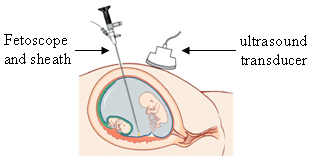
In more severe situations, especially when a band threatens the blood supply to a limb, minimally invasive fetal surgery may be done. Using a small camera and fine instruments, doctors can attempt to cut the band and release the restriction. This procedure isn’t always necessary, but when performed in the right circumstances, it can preserve limb function and improve results.
3. Planning for Birth
Even if surgery isn’t possible during pregnancy, preparing for specialised care after birth is important. Many children with ABS go on to thrive after surgical correction and supportive therapies in the early years.
Supporting Families Through the Journey
Besides scans and surgeries, families coping with ABS need kindness, direction and a reliable network of support. Learning that their baby might have a birth defect can feel crushing. This is when a fetal medicine expert steps in to address your questions and assist you in making choices for your little one.
(Also Read: Sickle Cell Testing During Pregnancy In Pune – Dr Tejas Tamhane)
Amniotic Band Syndrome In the Fetus – Consult Dr Tejas Tamhane
Amniotic Band Syndrome may sound scary at first, but early detection and advances in medical care offer families more hope than ever before. When handled with expertise, ABS becomes not just a condition to treat but a challenge that parents and fetal medicine experts can face together.
Concerned about amniotic band syndrome diagnosis in your pregnancy? Get in touch with Dr Tejas Tamhane, a renowned Fetal Medicine Specialist in Pune, for expert guidance.
